Why Not All “Smoke Effects” Are Created Equal
Atmospherics are one of the most powerful tools in live event production. When used correctly, they transform lighting, lasers, and stage design—adding depth, energy, and immersion that simply can’t be achieved with lights alone.
However, not all atmospheric effects are the same. In fact, some are outdated, problematic, or outright unsuitable for professional venues.
Below is a breakdown of the four most common atmospheric effects you’ll hear about—and what we do (and don’t) use at Clik Entertainment and Massive Audio Visual.
Fog
❌ We Do Not Use This
Traditional fog is what most people think of as “smoke” at events—but it’s also the cheapest and least professional option.
Why we don’t use fog:
-
Fog lingers and builds up, quickly reducing visibility
-
It commonly sets off fire alarms, especially in indoor venues
-
It obscures performers, DJs, and stages
-
It’s typically associated with DJ-grade equipment, not concert production
Fog machines work by heating a fluid to create thick, heavy clouds that hang in the air. Once it accumulates, it’s difficult to control—and most venues (rightfully) dislike it.
If you’ve ever seen a dance floor disappear into a white cloud or watched a venue panic because an alarm was triggered, chances are fog was involved.
Haze
✅ Our Go-To for Lighting & Lasers
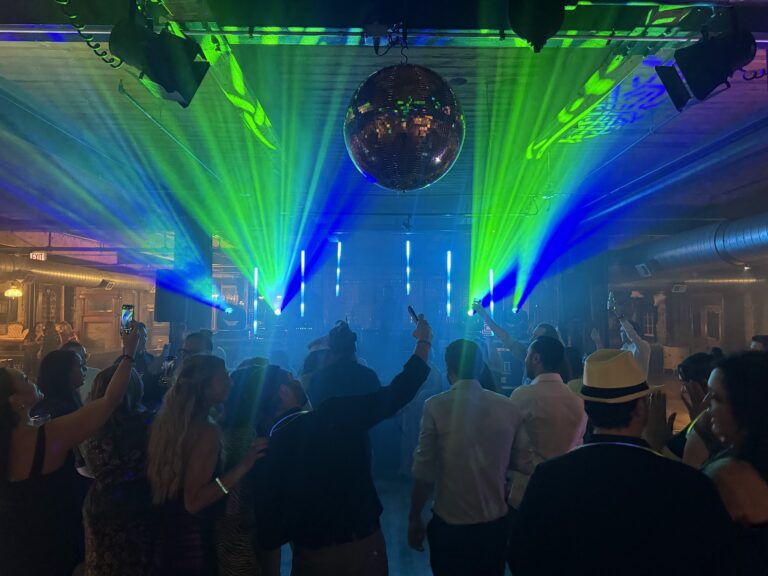
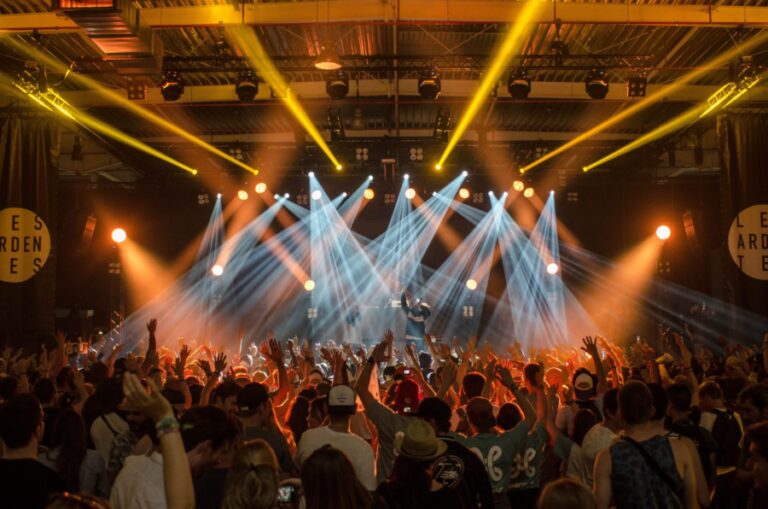
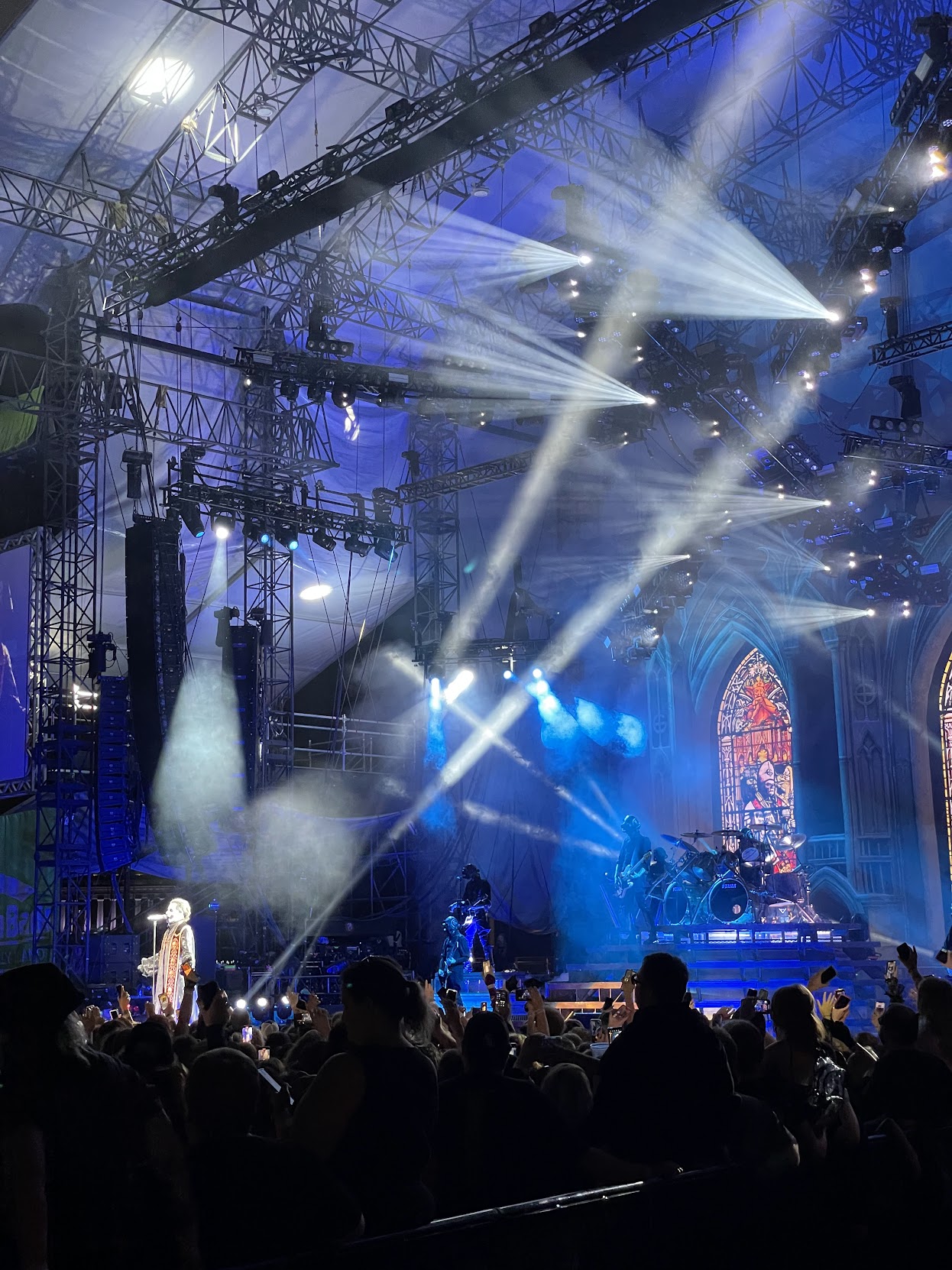
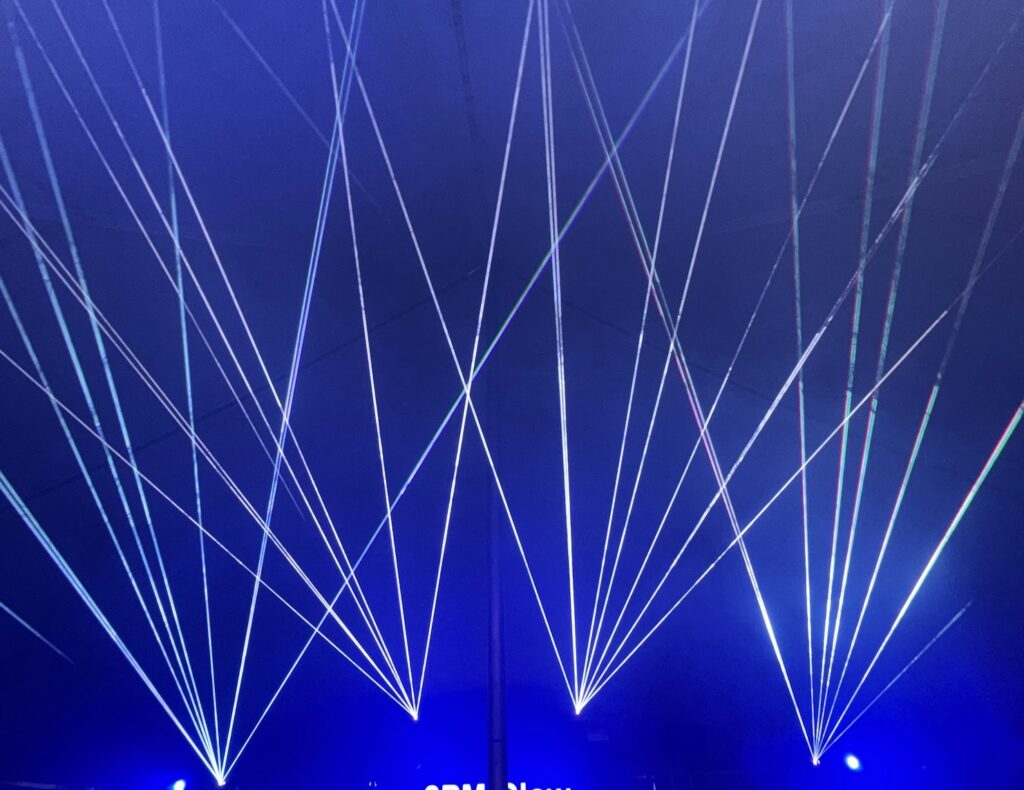
Haze is a professional atmospheric effect designed specifically to enhance lighting—not overwhelm a room.
What haze does well:
-
Creates a fine, even atmospheric layer
-
Makes beams, gobos, and lasers visible in the air
-
Maintains clear sightlines to the stage and performers
-
Dissipates evenly instead of pooling
Haze uses a much finer particulate than fog, allowing it to stay suspended lightly in the air rather than billowing or settling.
Important note:
In older buildings with particle-based fire detectors, haze can still trigger alarms—but it is far less likely than fog and is widely accepted in modern venues when used responsibly.
This is why we:
-
Coordinate with venues in advance
-
Use professional-grade hazers with precise output control
-
Adjust levels based on room size, ceiling height, and ventilation
CO2 / Cryo
✅ The Gold Standard for High-Impact Moments
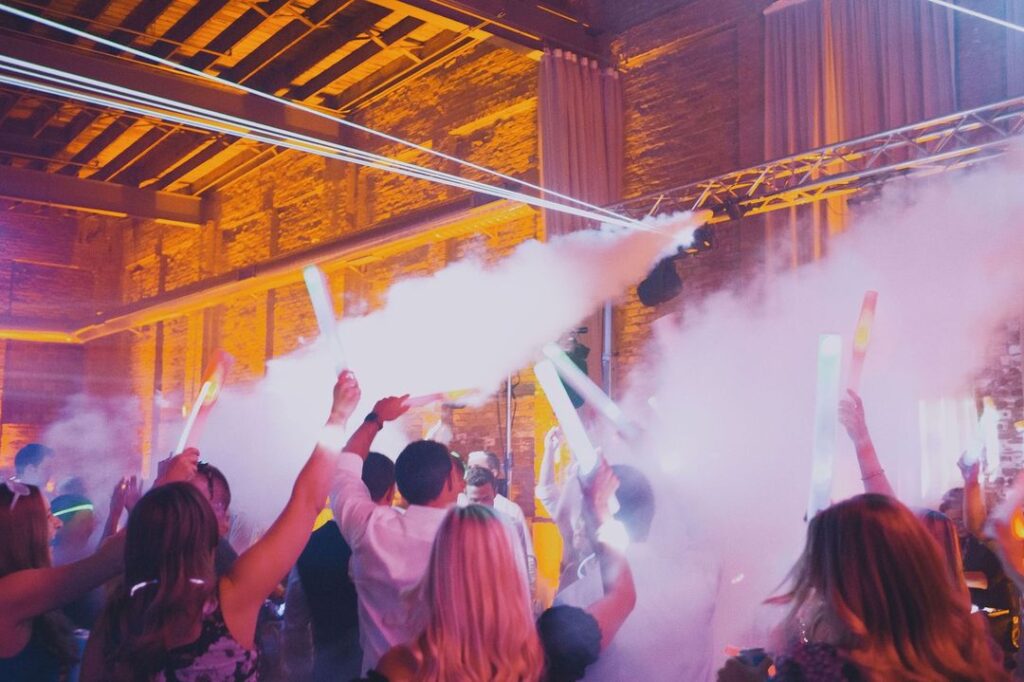
CO₂ is the most professional atmospheric effect available and is commonly used in:
-
Concerts
-
Festivals
-
Touring productions
-
High-energy stage moments
Why CO₂ is different:
-
Uses liquid CO₂, not fog fluid
-
Instantly expands when released into open air
-
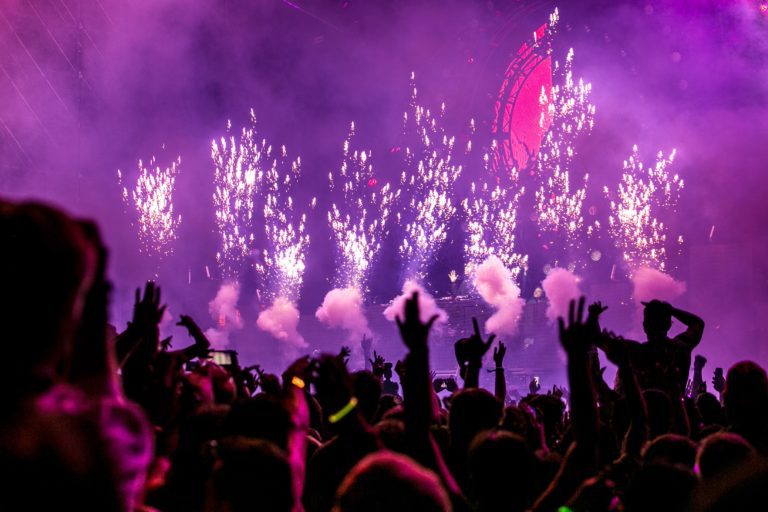
Creates a powerful, dense cloud that dissipates almost immediately
-
Keeps performers and stages clearly visible
-
Does not linger or fill a room
CO₂ effects are ideal for:
-
Beat drops
-
Artist walk-ons
-
High-energy reveals
-
Moment-based effects where impact matters
Because CO₂ dissipates so quickly, it delivers maximum visual impact without compromising visibility or air quality—which is why it’s trusted at the highest level of live production.
Ground Fog
✅ Yes—But Only the Professional, Dry Version
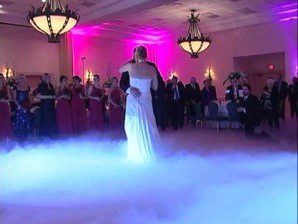
Ground fog creates a dramatic low-lying cloud effect that stays near the floor—perfect for:
-
First dances
-
Grand entrances
-
Theatrical moments
-
Stage reveals
Many ground fog systems rely on dry ice, which:
-
Leaves moisture everywhere
-
Creates slippery floors
-
Can damage flooring and equipment
-
Requires constant ice replenishment
We do NOT use dry ice.
Instead, we use professional ground fog systems that:
-
Create the same low-lying effect
-
Do not leave moisture or residue
-
Are safe for dance floors, stages, and performers
-
Disperse cleanly without lingering buildup
The result is a dramatic visual moment—without the mess or risk.
Our Philosophy on Atmospherics
We don’t believe in using effects just because they’re cheap or familiar.
Every atmospheric effect we deploy is chosen based on:
-
Venue safety
-
Visual clarity
-
Professional standards
-
Client experience
-
Coordination with lighting, lasers, and staging
That’s why you’ll never see us roll in with DJ-grade fog machines—but you will see concert-level haze, controlled ground fog, and CO₂ effects used with intention and precision.