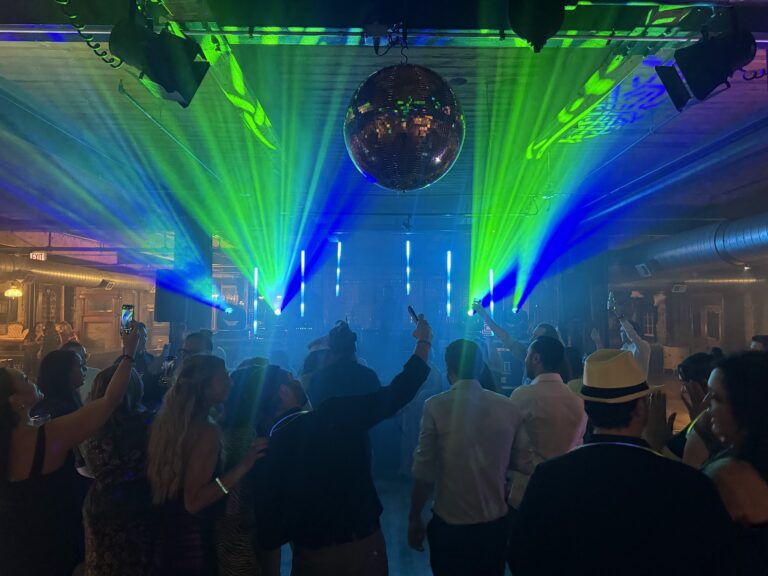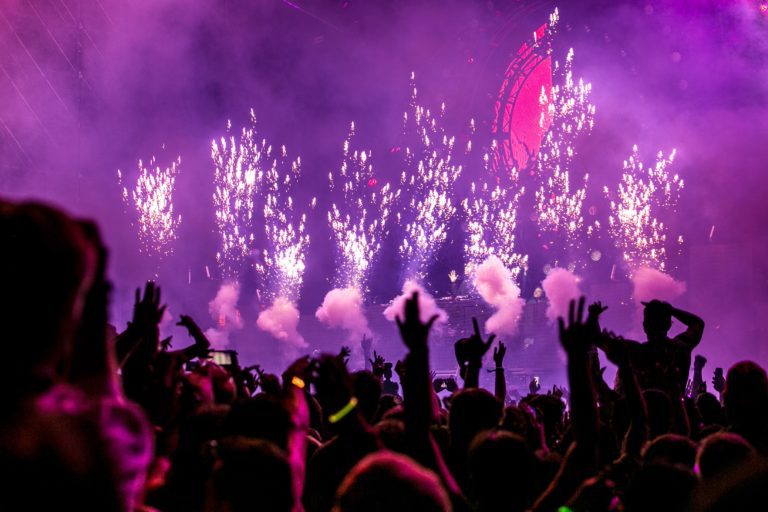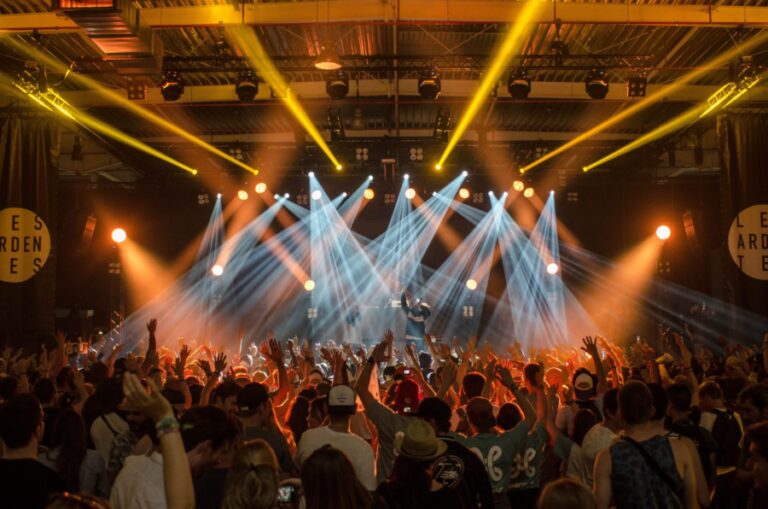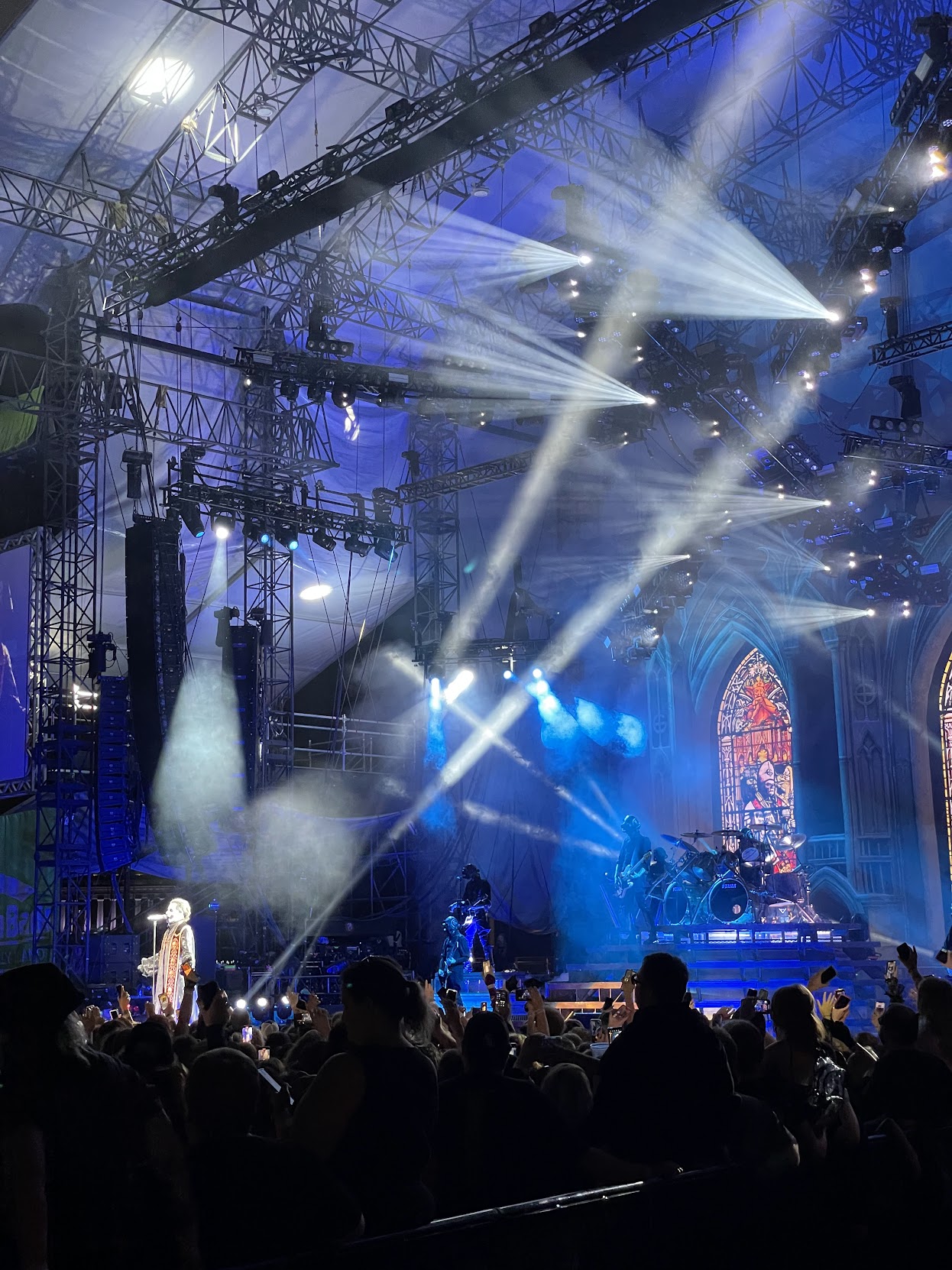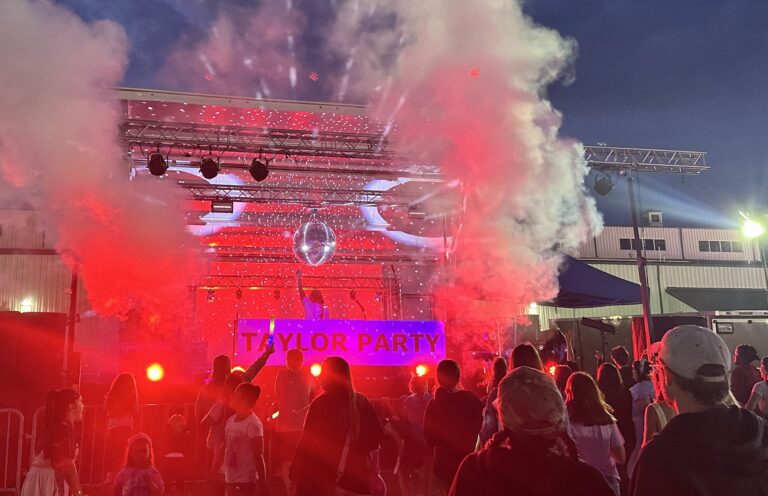
Atmospheric effects such as haze, ground fog, and CO2/cryo can dramatically enhance a live event. When used correctly, these effects allow lighting, lasers, and visual design elements to come alive in a space, transforming an ordinary room into a true production environment.
However, when these effects are used indoors, they require proper planning, communication, and safety coordination. Without those steps, atmospherics can create concerns related to visibility, guest comfort, or fire detection systems.
At MASSIVE Audio Visual, we approach atmospheric effects the same way we approach audio, lighting, rigging, and lasers: through professional planning, clear communication with the location, and adherence to safety protocols.
Below are several proven strategies for successfully obtaining approval for haze in indoor locations.
1. Start the Conversation Early
The most important step is early location communication. Atmospherics do not need AHJ (Authority Having Jurisdiction) approval.
When atmospherics are discussed early in the planning process, the location has time to evaluate options rather than defaulting to a quick “no” based on fire alarm concerns.
Many location have simply experienced issues in the past with improperly used fog machines. In reality, modern haze systems are designed to operate at extremely controlled levels and are commonly used in theaters, concert halls, and corporate productions.
By initiating the discussion early, the production team and location can collaborate on a safe and controlled implementation plan.
2. Clarify the Difference Between Fog and Haze
One of the most common misunderstandings involves the difference between fog and haze.
Fog Machines
-
Produce thick, dense clouds
-
Designed for dramatic bursts or ground effects
-
Much higher particle concentration
Haze Machines
-
Produce extremely fine particles
-
Designed to remain lightly suspended in the air
-
Often barely visible to guests
-
Primarily used to reveal lighting beams
Haze is the standard atmospheric effect used in concerts, theater, television studios, and corporate productions because it enhances lighting without filling the room with dense smoke-like clouds.
Modern haze machines can be adjusted so the effect is barely perceptible, while still allowing lighting designers to create visible beams from fixtures and lasers.
3. Understand their Fire Detection System
Another key step is identifying what type of fire detection system is installed in the location.
Different detection systems react differently to atmospheric effects.
Common systems include:
Heat Detectors
-
Triggered by temperature increases
-
Generally unaffected by haze
- What professional entertainment venues use
Photoelectric Particle Detectors
-
Detect airborne particles
-
May be sensitive to high concentrations of atmospheric
Ionization Detectors
-
Detect microscopic combustion particles
-
Less common in modern locations
- Not as sensitive as photoelectric, but caution should still be used
Other factors to review:
-
Room dimensions and ceiling height:The larger the volume of a room, the more an atmospheric effect—such as haze—can disperse without becoming overly dense. High ceilings and large cubic footage allow haze to remain subtle while still making lighting beams visible. In smaller or low-ceiling rooms, atmospherics can accumulate more quickly and may need to be used more conservatively.
-
HVAC airflow patterns: Airflow can dramatically affect how haze or atmospheric effects behave in a room. In some venues, strong ventilation currents can move haze away from the stage or dance floor within minutes, making lighting beams difficult to see. Understanding airflow direction and vent placement allows production teams to position equipment and adjust output levels accordingly.
-
Ventilation cycles and air turnover rates: Modern HVAC systems often cycle fresh air into the space at specific intervals. High air-exchange rates can quickly dilute atmospherics, meaning effects may need to be maintained at a consistent but controlled level. Knowing the ventilation schedule helps production teams balance visual impact with comfort and safety.
4. Assure Controlled Output and Placement
Professional haze deployment involves controlled output levels and strategic placement of machines.
Factors considered include:
-
Output intensity (particle concentration)
-
Machine placement relative to detectors
-
Airflow direction
-
Time needed to build and maintain haze levels
In many cases, only a very light atmospheric presence is required to achieve the desired lighting effect.
For applications such as laser displays, slightly denser haze may be preferred so beams are clearly visible. Even then, professional operators maintain careful control over particle levels.
This may also help change their decision.
5. Last Resort: Fire Watch
If a location remains concerned about fire detection activation, or if the production team determines additional precautions are appropriate, a fire watch procedure may be implemented. This is a common and widely accepted solution used in many professional productions, especially at event locations not made for theatrical caliber.
As long as the local jurisdiction permits (a local fire marshal may need to approve), and with location approval, certain alarm zone detectors may be temporarily bypassed while a Fire Watch is active. The location will need to turn the detectors off, and back on when the atmospheric has cleared.
A Fire Watch typically consists of:
-
An appointed Fire Watch individual or team (often location or host staff, but can also be an off-duty firemen)
-
Assigned to continuously roam and monitor the space during atmospheric usage
-
In direct communication with location management and production staff
- Will pull the fire alarm if a fire is discovered
Ultimately, Work With Experienced Production Professionals
Like us!
The most important factor in obtaining approval for indoor atmospherics is working with a qualified production team that understands:
-
Atmospheric technology
-
Fire detection systems
-
Location coordination
-
Safety procedures
-
Local regulations
When atmospherics are deployed by experienced professionals using proper planning and communication, they can safely enhance an event while maintaining the location’s safety standards.