Choosing the right venue is one of the most important decisions in event planning. The location determines not only the atmosphere of your event but also what is technically possible—from sound and lighting to timing, guest experience, and safety.
Many event issues arise not from poor planning, but from assumptions made before the contract is signed. Asking the right questions early helps avoid surprises, protects your budget, and ensures your production team can execute the experience you envision.
Below are some of the most important questions to ask any event venue before booking.
1. Are There Any Sound Restrictions?
Important questions include:
-
Is there a decibel limit?
-
Are there specific quiet hours?
-
Are subwoofers or bass-heavy systems restricted?
-
Is there a sound limiter installed that can automatically shut down power?
-
Are outdoor areas subject to local noise ordinances?
If your event includes a DJ, band, or concert-style production, these limitations can significantly affect the experience. It is best to understand them in advance so your production team can design the sound system appropriately.
2. Is Haze Allowed?
However, many venues initially respond with “that will set off the fire alarm.” This is often an automated response rather than a technical evaluation.
Important questions:
-
Are water-based haze machines permitted?
-
Is the venue willing to coordinate with the fire marshal for approval?
-
Can the system be temporarily placed in test mode during the event?
-
Is a fire watch an acceptable procedure?
Professional production teams regularly work with venues and fire authorities to safely implement atmospherics. Confirming the process early avoids last-minute restrictions.
3. What Power Is Available?
Professional production equipment requires reliable electrical infrastructure.
Ask the venue:
-
What power circuits are available?
-
Are they dedicated circuits or shared with other rooms?
-
Are there 20A, 30A, or higher-capacity connections available?
-
Is three-phase power available for larger productions?
-
Where are the electrical panels located?
If your event includes significant lighting, LED walls, or concert-grade audio systems, power availability will directly affect what can be deployed.
4. What Are the Load-In and Setup Policies?
Important questions include:
-
What time can vendors begin load-in?
-
Are there loading docks or service elevators?
-
Are carts or dollies allowed?
-
Are union labor or house technicians required?
-
What time must load-out be completed?
Limited access windows can significantly impact production schedules and costs.
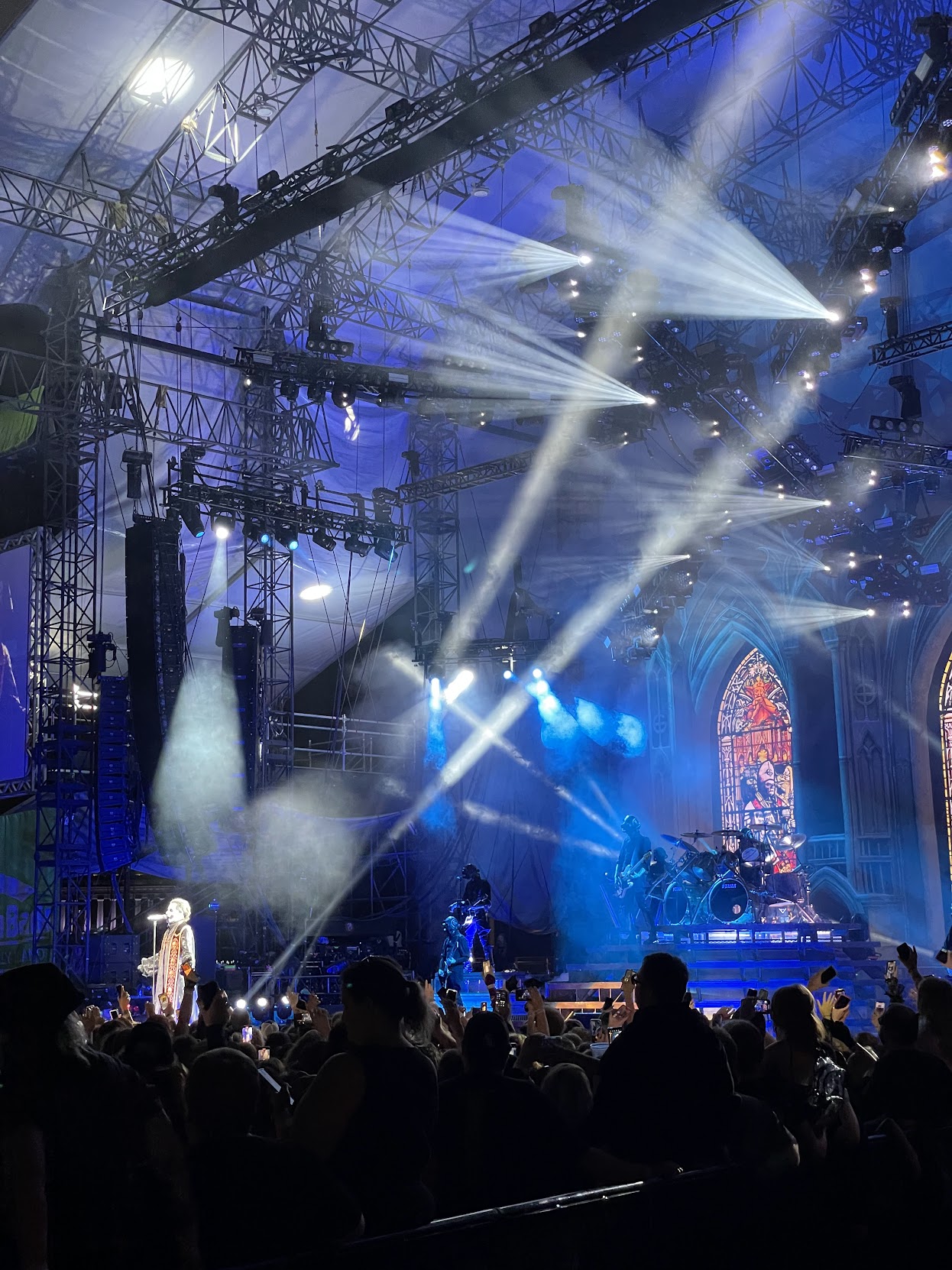
5. Are There Rigging Points or Ceiling Restrictions?
Rigging allows lighting, speakers, and décor to be suspended safely from the ceiling.
Ask:
-
Are there certified rigging points?
-
What is the weight capacity per point?
-
Does the venue require a house rigger?
-
Are truss structures allowed on the floor if rigging is unavailable?
These factors influence both the visual design and the safety of the production.
6. What Insurance or Permits Are Required?
Many venues require vendors to carry insurance coverage.
Common requirements include:
-
General liability insurance
-
Naming the venue as additionally insured
-
Pyrotechnic permits, if applicable
-
City or fire department special event permits
Professional production companies will usually carry these policies, but confirming requirements ahead of time prevents delays.
7. Things To Ask For
-
Initial Floor Plan with dimensions (including height), obstructions (doorways, pillars) and power locations. There is no need to include tables just yet.
- The best phone number and email address for your production team to reach them.
Final Thoughts
Booking a venue is about far more than aesthetics—it determines what your event can technically achieve.
By asking the right questions early, you can:
-
Avoid last-minute restrictions
-
Protect your budget
-
Ensure your production team can execute the event properly
-
Create a better experience for your guests
A venue that is willing to communicate openly and collaborate with your vendors is often the best indicator of a successful event.